
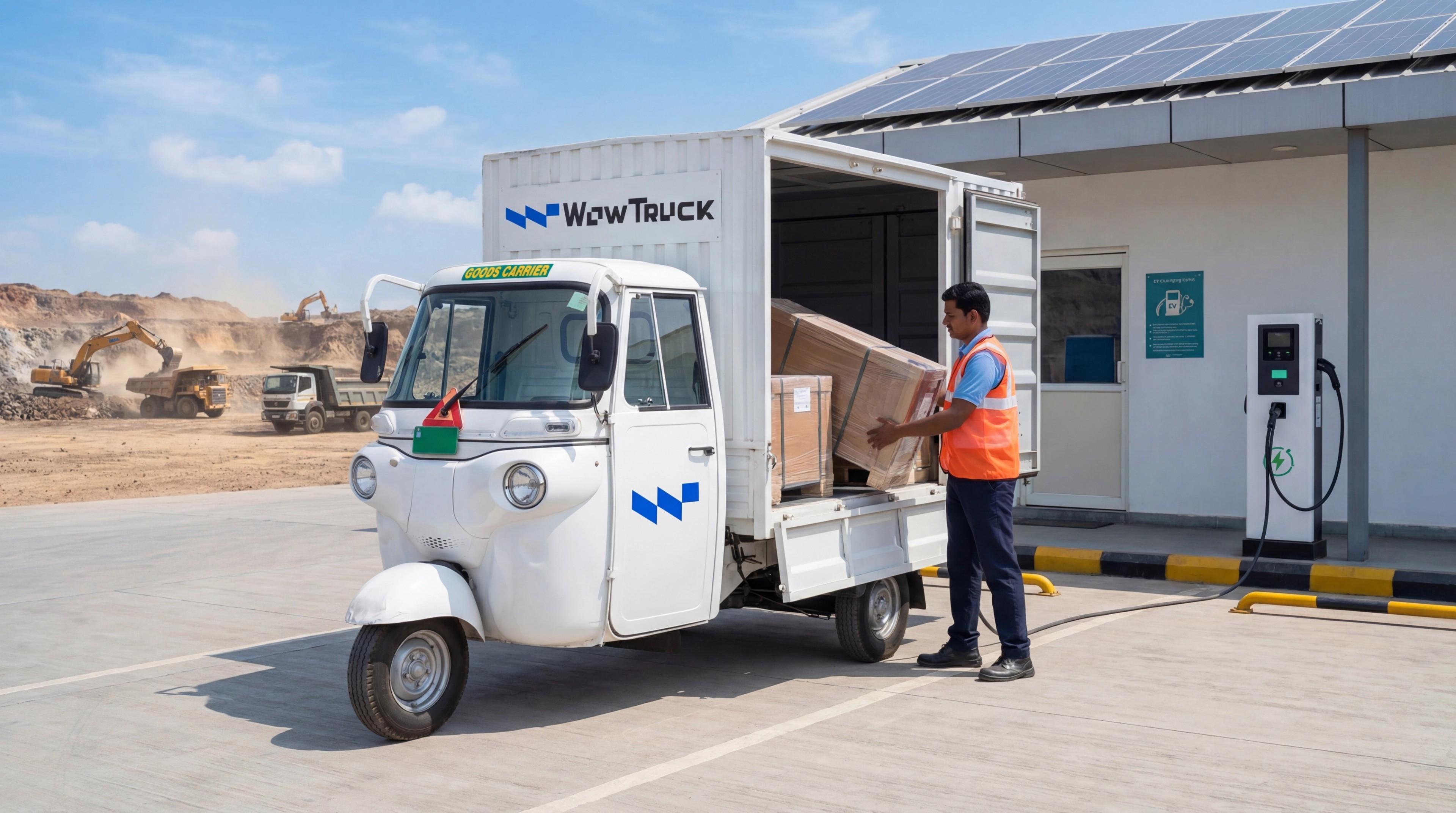
Sustainable Freight: Strategies for Reducing Your Carbon Footprint
As environmental regulations tighten globally, freight operators must adapt. Discover practical strategies for building a greener supply chain without sacrificing performance.
Why Sustainability Matters in Freight
The transportation sector accounts for approximately 16% of global greenhouse gas emissions, with freight logistics representing a significant share. As governments worldwide introduce stricter emissions regulations and carbon pricing mechanisms, logistics operators face both a moral imperative and a business necessity to reduce their environmental footprint.
But sustainability in freight is not just about compliance. Increasingly, major brands and manufacturers are evaluating their logistics partners based on environmental performance. A credible sustainability strategy has become a competitive differentiator — and in many cases, a prerequisite for winning and retaining key accounts.
Practical Strategies for Greener Freight
1. Fleet Electrification and Alternative Fuels
Electric vehicles (EVs) are rapidly becoming viable for last-mile delivery operations, particularly in urban areas where route distances are predictable and charging infrastructure is expanding. For long-haul freight, compressed natural gas (CNG) and hydrogen fuel cell technology offer transitional alternatives to diesel, with significantly lower particulate and NOx emissions. WowTruck's fleet includes EV Tempos for urban e-commerce delivery, reducing last-mile emissions by up to 70% compared to conventional vehicles.
2. Load Optimization and Consolidation
One of the simplest yet most impactful sustainability measures is maximizing vehicle utilization. Running trucks at 60% capacity means 40% of fuel consumption is effectively wasted. Advanced load planning algorithms, shipment consolidation platforms, and collaborative logistics models (where multiple shippers share vehicle capacity) can push utilization rates above 85%, dramatically reducing per-unit emissions without any changes to the fleet itself.
3. Intermodal Transport Integration
Shifting freight from road to rail or coastal shipping for long-distance segments can reduce carbon emissions by 60–80% per ton-kilometer. The challenge lies in seamless intermodal coordination — ensuring that the transition between transport modes does not introduce delays, damage risks, or visibility gaps. Modern logistics platforms that integrate road, rail, and maritime tracking into a single workflow make intermodal strategies operationally feasible for the first time.
4. Warehouse Energy Efficiency
Warehouses are often overlooked in freight sustainability discussions, but they represent a significant energy consumption point. LED lighting, solar panel installations, smart HVAC systems, and automated material handling equipment can reduce warehouse energy consumption by 30–50%. When combined with green building certifications, these investments also enhance property values and attract sustainability-conscious tenants.
5. Carbon Measurement and Reporting
You cannot improve what you do not measure. Implementing standardized carbon accounting frameworks — such as the Global Logistics Emissions Council (GLEC) methodology — provides the baseline data needed to identify reduction opportunities, set meaningful targets, and report progress to stakeholders. Automated emissions calculators integrated into TMS platforms make this process scalable even for operators managing thousands of shipments daily.
Building a Roadmap
Sustainability transformation in freight works best as a structured, multi-year initiative rather than a collection of isolated projects. Start with a comprehensive emissions baseline, identify the highest-impact intervention points, set time-bound reduction targets, and build accountability into operational KPIs. Partner with carriers who share your sustainability commitment and can demonstrate measurable progress.
The Business Case
The financial argument for green freight is stronger than many operators realize. Fuel savings from route optimization and load consolidation directly improve margins. EV adoption reduces maintenance costs (fewer moving parts, no oil changes). And increasingly, sustainability performance influences tender outcomes — shippers are willing to pay a premium for demonstrably greener logistics partners.
At WowTruck, we help clients build logistics operations that are both economically efficient and environmentally responsible. Sustainability and operational excellence are not competing priorities — they are two sides of the same coin.